How to Choose the Right COB LED Display for Your Business?

Time:2026-07-21 Author:Isabella
0%

Choosing the right COB LED display is crucial for business success. With the rapid growth of the LED display market, businesses must stay informed. According to a recent report by ResearchAndMarkets, the global LED display market is projected to reach $28.85 billion by 2026, highlighting its increasing importance in marketing.

Expert John Smith, a leading figure in LED technology, emphasizes, “Selecting a quality display can enhance brand visibility.” His insights reflect the necessity for businesses to carefully consider their options. The right display can attract more customers and improve engagement. Quality and functionality should align with your brand's unique needs.

Many factors influence the decision. Resolution, brightness, and size matter. Yet, businesses often overlook their specific requirements. This can lead to unsatisfactory investments. It’s essential to reflect on these details before making a choice. Ultimately, knowing how to choose the right COB LED display can set your business apart in a competitive landscape.
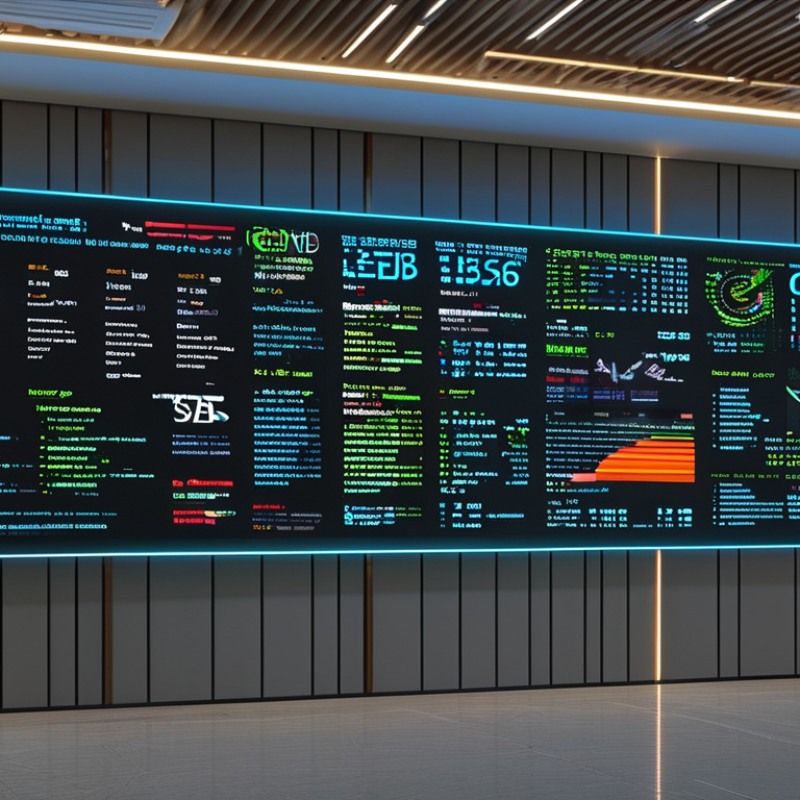
How to Choose the Right COB LED Display for Your Business?

Understanding COB LED Technology and Its Advantages

COB, or Chip-on-Board, LED technology offers various advantages for businesses. This technology integrates multiple LED chips onto a single board. This design allows for more compact displays, saving space while providing bright, vibrant images. The clarity and brightness of COB displays make them ideal for indoor and outdoor advertising. They tend to deliver better color consistency, which is crucial for branding.

One notable benefit of COB LED displays is their thermal management. The design helps dissipate heat efficiently, which increases the lifespan of the display. Longevity is critical for businesses that invest significantly in digital signage. However, it’s essential to monitor usage, as prolonged exposure to extreme conditions can affect performance.

While COB technology is promising, it may not be the best fit for every scenario. The initial cost can be higher than traditional displays. It’s important to evaluate your specific needs and budget. Considering the environment where the display will be used is vital. Reflecting on these factors will help you make an informed decision.

Evaluating Your Business Needs for a LED Display

When selecting a COB LED display for your business, it's crucial to evaluate your specific needs. Start by considering the type of content you plan to showcase. Research from industry experts suggests that approximately 60% of audiences engage more with video content than still images. Therefore, if your business centers around dynamic visuals, a high-resolution display is essential.

Location and environment significantly impact performance. For instance, displays used outdoors may require higher brightness levels. A report indicates that outdoor LED displays should reach at least 5,000 nits for clear visibility in daylight. On the other hand, indoor displays can perform well with lower brightness, around 1,000 nits, as they exist in controlled lighting.

Also, consider the size of the space. Larger venues typically benefit from bigger displays. If your audience is further away, a display with a lower pixel pitch may adequately serve your communication needs. Identifying the ideal pixel pitch is key; a distance of approximately 1,000 pixels per meter is a typical guideline. Understanding these nuances can help avoid overspending on unnecessary features. Tailoring your selection to your specific context can prevent regret and ensure you get the best return on your investment.

Determining the Optimal Size and Resolution for Your Display

Choosing the right size and resolution for a COB LED display is crucial. The display size should align with your audience's viewing distance. Smaller screens may suffice for close-up viewing, while larger displays serve well in expansive areas. A display intended for a large venue needs dimensions that ensure visibility from afar.

When considering resolution, think about the detail you want to convey. A higher pixel density results in crisp, clear visuals, vital for intricate graphics. However, higher resolution may drive up costs, so balance quality and budget. It’s important to consider what content you will showcase. Simple messages may not need as high a resolution, while detailed graphics do.

Reflecting on your specific needs is essential. Sometimes, it's easy to choose a display based on general trends. This can lead to overspending or ending up with an inadequate solution. Take time to assess your unique situation. Properly sized and resolved displays not only enhance visibility but can also improve audience engagement.

Exploring Different Installation Options and Requirements

When selecting a COB LED display, installation options can significantly impact your decision. Understanding these requirements is crucial for a seamless setup. For example, wall-mounted displays might require additional structural support. This differs from freestanding models that need stable flooring. Assessing your environment is key. Ensure you have adequate space and access to power sources.

Indoor installations often demand less protection from weather elements. Outdoor setups, however, require robust housing to withstand varying conditions. This can involve extra costs and planning. Additionally, consider the visibility. The brightness level can vary based on your location. It is essential to ensure your display is visible at all times.

Reflecting on your choices is important. You may find that your initial installation plan doesn’t fit your needs as well as you hoped. Rethinking the placement and installation type could save you money and time in the long run. Always prioritize the display’s functionality and integration within your business space.

How to Choose the Right COB LED Display for Your Business? - Exploring Different Installation Options and Requirements

Installation Type Screen Size (inches) Pixel Pitch (mm) Resolution (pixels) Brightness (nits) Best Use Case
Wall-mounted 55 1.5 1920 x 1080 800 Retail Stores
Freestanding 75 2.5 3840 x 2160 1200 Trade Shows
Suspended 80 3.9 2560 x 1440 600 Event Spaces
Outdoor 90 5.0 1920 x 1080 5000 Billboards
Integrated 65 2.0 3840 x 2160 900 Corporate Offices

Assessing Budget and Return on Investment for COB LED Displays

When assessing the budget for a COB LED display, understanding the upfront costs is crucial. These displays range widely in price, influenced by factors such as size, resolution, and brightness. Industry reports indicate that a high-quality COB LED display can cost between $500 to $2,000 per square meter. This expense must align with your business objectives and expected foot traffic.

Return on investment (ROI) is the next key consideration. A recent study found businesses can see up to a 30% increase in sales within the first three months of using LED displays. This increase often stems from enhanced visibility and better engagement with customers. However, actual results may vary depending on location, the current market, and how effectively the display is used.

Investing in a COB LED display should factor in ongoing maintenance and energy costs as well. Reports suggest that LED technology is more energy-efficient than traditional options, often reducing electricity bills by up to 50%. Still, potential buyers must evaluate their unique needs against these expenses to ensure the investment truly makes sense for their business.

Investment and Returns of COB LED Displays

FAQS

: What is COB LED technology?

: COB LED technology integrates multiple LED chips onto a single board for compact displays and vibrant images.

What are the advantages of using COB displays?

They offer better brightness, clarity, and color consistency, making them ideal for advertising both indoors and outdoors.

How does COB technology affect display lifespan?

COB designs improve thermal management, aiding heat dissipation and increasing the display's lifespan.

Are there any downsides to COB technology?

The initial costs can be higher than traditional displays, which may not suit every budget or need.

What should I consider for installation options?

Assess your environment, checking for space requirements, structural support, and access to power sources before installation.

How do indoor and outdoor installations differ?

Indoor installations need less weather protection, while outdoor setups require robust housing for varying conditions.

What should I reflect on before choosing a COB display?

Consider if your installation plan meets your functional needs; rethinking placement could save resources in the future.

How does brightness affect display visibility?

Brightness levels vary based on location. Ensure the display remains visible under different lighting conditions.

Do I need additional planning for outdoor installations?

Yes, outdoor setups typically require more planning and can incur extra costs to ensure durability against the elements.

Can prolonged use in extreme conditions impact COB displays?

Yes, extended exposure to harsh conditions may affect performance, so monitoring usage is important.

Conclusion

Choosing the right COB LED display for your business involves a comprehensive understanding of COB LED technology and its numerous advantages, such as improved color accuracy and energy efficiency. To effectively select a display, evaluate your specific business needs, including the intended use and audience engagement level.

Additionally, consider the optimal size and resolution to ensure visual clarity and impact. It is also crucial to explore different installation options to align with your space and technical requirements. Finally, assess your budget and potential return on investment, ensuring that your choice not only meets your current needs but also supports future growth. The key is to carefully navigate these considerations to determine how to choose the right COB LED display for your business needs.

Isabella

Isabella

Isabella is a dedicated marketing professional with a sharp focus on driving brand growth and engagement through strategic content creation. With an extensive background in digital marketing, she combines her passion for storytelling with her keen understanding of industry trends to deliver......