In recent years, the event industry has witnessed a technological revolution, particularly through the emergence of interactive LED technology. But what is interactive LED technology? According to Dr. Emily Carter, a leading expert in immersive media, “Interactive LED technology transforms passive viewing into active participation.” This innovative approach allows audiences to engage with displays in real-time, fostering a deeper connection with the content presented.
Interactive LED solutions have the power to redefine how events unfold. Attendees no longer sit on the sidelines; they become active participants. Imagine a conference where audience reactions shape the presentation dynamically. This creates a unique energy that can enhance the overall experience. However, the integration of such technology is not without its challenges. Event planners must navigate the complexities of setup, audience engagement, and technical reliability.
The potential for interactive LED technology to elevate events is significant. Yet, it requires careful consideration and planning. Without proper execution, it may lead to confusion rather than engagement. As we explore this topic further, we must weigh the benefits against the risks, ensuring that interactive technologies are implemented thoughtfully to create memorable experiences.
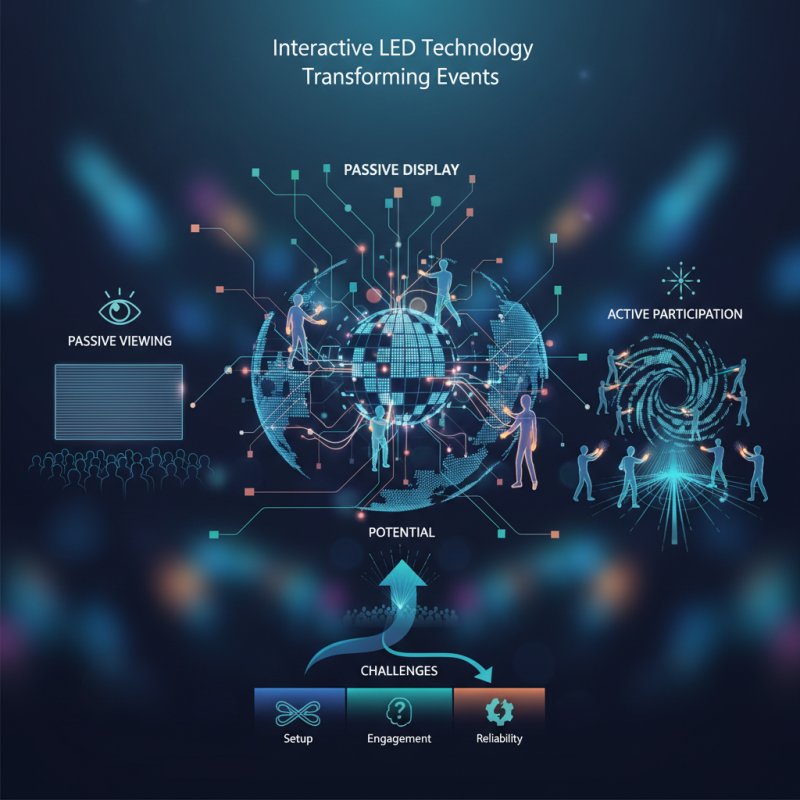
Overview of Interactive LED Technology and Its Components
Interactive LED technology is quickly transforming the event industry. This technology encompasses various components. The main elements include LED displays, sensors, and software. These components work together to create engaging experiences. According to a recent report from Allied Market Research, the interactive display market could reach $38.5 billion by 2025. This highlights the growing demand for interactive solutions.
LED displays are becoming more versatile. They can respond to audience interactions in real time. For instance, sensors detect movement and touch, enabling attendees to engage with content directly. Interactive displays can also showcase multimedia content. This diversity can lead to deeper audience connections. However, event planners sometimes struggle with integrating these technologies fully.
The software behind interactive LEDs plays a crucial role. It allows customization and real-time updates. In fact, TechNavio estimates the interactive LED segment will grow annually by 10%. Event organizers must ensure proper training and support for effective use. Mistakes in these areas can disrupt the event flow. Therefore, ongoing training and clear communication are essential for success.
Key Features and Benefits of Interactive LED Displays
Interactive LED displays are revolutionizing the way we experience events. They provide a dynamic and engaging platform for communication. These displays adapt seamlessly to various settings, from conferences to concerts. The vibrant visuals captivate audiences, encouraging participation.
Key features of interactive LED technology include touch responsiveness and real-time content updates. Attendees can interact directly with the display, making presentations more engaging. Additionally, the features allow for instant feedback. This creates a more immersive environment.
High brightness and contrast levels ensure visibility in different lighting conditions.
However, not all events effectively leverage these displays. Some organizers struggle with integration. Others may not effectively engage attendees. It requires careful planning and consideration. Training staff to utilize the technology is also crucial. The balance between technology and personal interaction can be challenging. Yet, when done right, the impact is profound.
Interactive LED technology can transform any event into a memorable experience.
Applications of Interactive LED Technology in Event Planning
Interactive LED technology is revolutionizing event planning. Its vibrant displays engage audiences deeply. Event planners are now using these screens for immersive experiences. This approach offers aesthetic appeal and is functional. They can transform any venue into a dynamic environment.
One practical application is in exhibitions. Interactive LED walls allow visitors to participate actively. They can touch, swipe, and interact with visuals. This level of engagement leads to memorable experiences. It encourages social sharing, creating buzz beyond the event. However, not all events require such high-tech solutions. Simplicity still has its charm.
Another use is in corporate events. Businesses can showcase products effectively using LED technology. Interactive presentations capture attention and maintain focus. Yet, excessive reliance on tech can overwhelm audiences. Finding the right balance is crucial. Without it, the essence of personal connection may fade.
Applications of Interactive LED Technology in Event Planning
Innovative Use Cases of Interactive LED at Events and Exhibitions
Interactive LED technology is reshaping the landscape of events and exhibitions. This dynamic medium enables immersive experiences that engage attendees in novel ways. According to a report from the International Association of Exhibitions and Events, 72% of event organizers believe that incorporating interactive elements boosts attendee engagement. This is critical as capturing attention in a crowded market remains a challenge.
Event planners are leveraging interactive LED screens to create memorable experiences. For example, live polling and real-time feedback on LED displays can encourage audience participation. In an era where 74% of consumers feel overwhelmed by information, these technologies offer a refreshing approach by transforming passive viewers into active participants. The interactivity relies not only on aesthetic appeal but also on the ability to communicate pertinent information effectively.
However, there are challenges. Not all attendees may be tech-savvy, which could alienate some guests. While these technologies drive engagement, their success hinges on thoughtful implementation. Striking a balance between technology and human connection is essential. Industry data suggests that 68% of attendees prefer events that incorporate personal interactions. As the landscape evolves, finding solutions to address these concerns will be crucial for maximizing the benefits of interactive LED technologies at events.
Future Trends in Interactive LED Technology for Events and Engagement
Interactive LED technology is poised to reshape how we perceive and engage with events. Recent industry studies indicate that immersive technology is gaining traction, with projections that the market will reach $14 billion by 2025. This growth is fueled by the demand for more engaging experiences. Planners now seek ways to captivate audiences through dynamic visual displays. These displays can respond in real-time to audience interactions, creating a more personalized event atmosphere.
Future trends reveal a shift towards integrating augmented reality with LED displays. This synergy allows for interactive content that can collectively engage participants. A report highlighted that 70% of attendees remember events that incorporated interactive elements. However, challenges remain in ensuring the technology is user-friendly and reliable. Some events have faced technical glitches, which can distract from the overall experience. Continuous improvement in software and hardware is essential to mitigate these risks.
Moreover, there's a growing emphasis on sustainability within this technology space. Companies are exploring eco-friendly materials for LED screens. As the industry evolves, balancing between technological innovation and environmental responsibility will be crucial. Investing in training for event staff on these systems will also enhance user engagement and ensure smoother interactions. The road ahead for interactive LED technology in events is promising yet complex, demanding ongoing evaluation and adaptation.
FAQS
: They are dynamic screens that enhance communication at events. They engage audiences effectively.
They create immersive experiences and encourage participation. Attendees can interact with content directly.
Features include touch responsiveness and real-time content updates. High brightness ensures visibility in various settings.
Organizers may struggle with integration or fail to engage attendees properly. Careful planning is essential.
They enable live polling and instant feedback, making viewers active participants. This transforms the event experience.
Not all attendees are tech-savvy, which might alienate some guests. This can pose engagement issues.
Most attendees prefer a blend of both. Personal connection enhances the overall experience.
They should train staff and plan carefully. Reflection on implementation is key to success.
Conclusion
Interactive LED technology is a cutting-edge innovation that integrates interactive elements into LED displays, enhancing audience engagement during events. This technology comprises various components, including sensors and software that allow users to interact directly with the content displayed. Key features of interactive LED displays include high-resolution imaging, versatility in design, and the ability to facilitate real-time interaction, which significantly enriches the attendee experience.
In event planning, interactive LED technology is revolutionizing how organizers create memorable experiences. It is utilized in diverse applications ranging from immersive presentations to dynamic art installations. Innovative use cases seen at events and exhibitions demonstrate the potential of interactive LED to captivate audiences and foster participation. Looking ahead, future trends suggest that advancements in this technology will further enhance event engagement, making events more memorable and interactive than ever before.

 Aras LED