LED displays are becoming increasingly popular in various applications, but many users face a significant challenge: why LED displays fail in sunlight. Direct sunlight can cause these screens to underperform due to brightness and visibility issues. This problem is not just a minor inconvenience; it affects outdoor advertising, public transportation displays, and even personal devices.
The crux of this issue lies in how LED technology interacts with intense sunlight. Standard LED displays often struggle to produce sufficient brightness, making them hard to read. Furthermore, UV exposure can damage internal components over time. Users may overlook these factors during installation. This oversight could lead to frustratingly frequent replacements and unnecessary costs.
Addressing why LED displays fail in sunlight requires a thoughtful approach. Understanding the environmental factors and technological limitations can help mitigate these issues. Investing in high-brightness LED displays or protective coatings may provide practical solutions. However, recognizing the limitations will empower users to make informed decisions. Striking a balance between lighting conditions and display technology remains a significant topic for manufacturers and consumers alike.
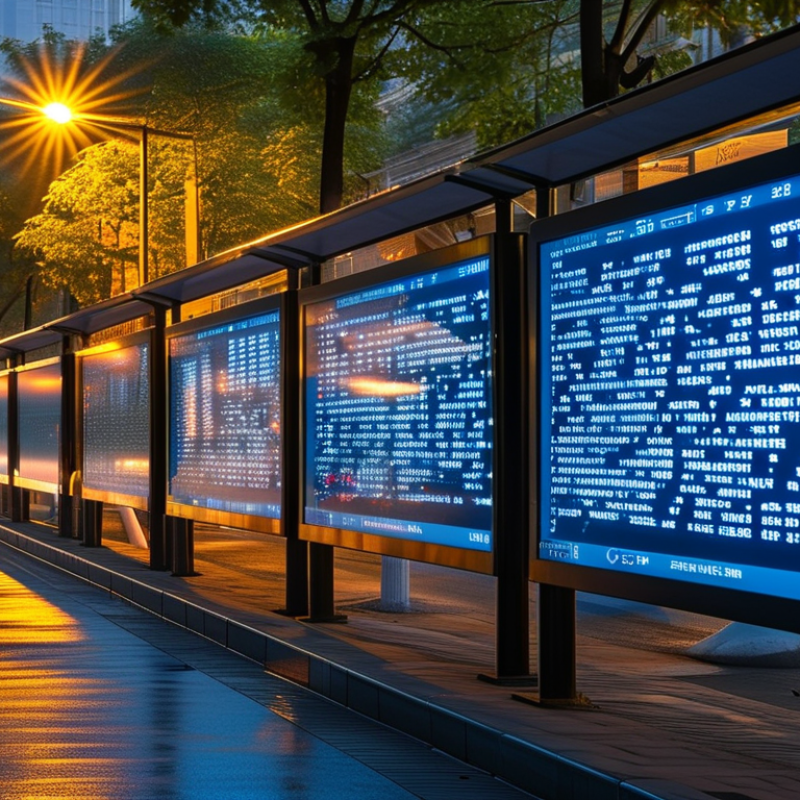
LED displays have become increasingly popular for outdoor advertising and information dissemination. However, their performance can significantly degrade when exposed to direct sunlight. Understanding the impact of sunlight is crucial for anyone considering the use of LED technology in bright environments. Bright sunlight can overpower the brightness of LED screens. This results in washed-out images and unreadable text. Consequently, visibility decreases, leading to ineffective communication.
Temperature is another critical factor. Sunlight not only reduces visibility but also raises the internal temperature of LED screens. Increased heat can lead to premature aging of components, causing failures. Overheating can warp the display and affect its color quality. The materials often used in LED displays may not withstand prolonged exposure to UV radiation, resulting in color fade and reduced longevity.
Moreover, design choices play a significant role in performance. Many manufacturers focus on brightness without adequately addressing sunlight resistance. This gap leads to misunderstandings about how well these displays work in real-world conditions. Exploring solutions requires knowledge of materials and technologies. It's an ongoing challenge that needs attention. Enhancements in cooling systems and protective coatings are worth considering, but they are not foolproof. Continuous innovation and testing are necessary to ensure that LED displays perform reliably in direct sunlight.
LED displays often struggle in bright conditions, particularly in direct sunlight. One common failure mode is reduced visibility. When sun glare hits the screen, it washes out the colors. This makes content hard to read. In many public environments, scrollable ads or important information become nearly invisible. Users might not notice this issue until it’s too late.
Another problem arises with overheating. Direct sunlight can cause LED components to heat excessively. This can lead to thermal damages, short circuits, or even complete failure. The result? Displays can malfunction, losing functionality when most needed. Workplace managers may overlook this when deploying LED technology.
Additionally, color degradation occurs in stark sunlight. Prolonged exposure can cause fading or shifting of colors. Customers might feel frustrated when their promotions don’t look vibrant as intended. As professionals, it’s crucial to assess these pitfalls. While technology has advanced, it still needs a thoughtful approach in challenging environments. Finding adaptive solutions will help overcome these common hurdles.
LED displays have become popular for their energy efficiency and vivid colors. However, they struggle significantly in direct sunlight. This issue arises due to technological limitations inherent in LED technology. One key problem is the low contrast ratio in bright conditions. Sunlight washes out the display, making it hard to read. The inherent brightness of the sun often exceeds the maximum output of typical LED screens.
Another limitation is the temperature sensitivity of LEDs. High temperatures can cause the display to dim or malfunction. When exposed to direct sunlight, LED screens may overheat, leading to overheating failures. This can reduce their lifespan and effectiveness over time. Sometimes, the brightness levels may not meet the demands of outdoor environments.
**Tips:** For better visibility, consider using LED displays with higher brightness ratings. Explore options that include anti-glare coatings, as these can help combat sunlight interference. Regular maintenance is crucial. Ensure that equipment stays cool and free from dust, which can also affect performance. In choosing displays, think about where they will be placed. Some screens may be better suited for shaded or indoor environments, rather than bright outdoor locations. Adjust your expectations accordingly.
| Issue | Description | Impact | Solution |
|---|---|---|---|
| Brightness | Inadequate brightness to compete with direct sunlight. | Poor visibility, user frustration. | Use higher lumen displays or ambient light sensors to adjust brightness. |
| Glare | Reflection and glare from the sun deteriorating image quality. | Difficult to read information on the display. | Anti-glare coatings or tilt designs to minimize sunlight exposure. |
| Heat Management | Overheating due to prolonged sun exposure. | Potential hardware failure and reduced lifespan. | Implement cooling systems or thermally resistant materials. |
| Color Accuracy | Loss of color fidelity under extreme light conditions. | Misrepresentation of information displayed. | Use of advanced color calibration technologies. |
| Durability | Material degradation from prolonged sun exposure. | Increased maintenance costs and display replacement. | Utilize UV-resistant materials and protective enclosures. |
LED displays often struggle in direct sunlight. Their brightness can become insufficient against intense sunlight. This is a common issue, especially in outdoor settings. However, there are effective strategies to enhance visibility.
One solution is increasing the display’s brightness. High-brightness LEDs can reach 7,000 nits or more. This adjustment significantly improves visibility in bright conditions. Another method is to use anti-glare coatings on the screen. These coatings reduce reflections. They help the images stand out better, even under harsh sunlight.
Moreover, placing the display in shaded areas can also help. Utilizing canopies or awnings can create a more consistent viewing experience. It’s essential to ensure that the display’s angle is appropriate. A slight tilt can prevent direct sunlight from hitting the screen. Implementing these solutions will enhance the overall effectiveness of LED displays in sunny environments. While challenges remain, ongoing innovations continue to offer hope in improving their functionality.
LED displays are widely used for outdoor applications, yet they frequently falter in bright sunlight. This issue primarily arises from poor visibility and overheating. To counter these problems, innovators are exploring future solutions. One promising approach involves enhancing the materials used in LED displays. New polymers could increase temperature resistance and improve brightness, allowing better visibility.
Another innovation is the development of advanced anti-glare coatings. These coatings could help reduce reflections from sunlight. Incorporating micro-structure textures might scatter light effectively. However, the effectiveness of these materials needs thorough testing. It's crucial to assess their longevity and reliability under various weather conditions.
Additionally, integrating adaptive brightness technology presents another avenue. This technology can automatically adjust display brightness based on environmental lighting. While promising, it requires careful calibration to ensure peak performance. Testing under real-world scenarios is essential to gauge its success. As researchers explore these innovations, there's still much to learn about what truly enhances durability. Continuous feedback and iterative design will play pivotal roles in achieving robust solutions.
This chart illustrates the performance metrics of LED displays when exposed to direct sunlight. The data points represent brightness in nits, color accuracy percentage, optimal viewing angle in degrees, and heat resistance in degrees Celsius. These factors are critical in understanding why some LED displays fail in direct sunlight and highlight the need for innovations to improve their resilience.
: Sunlight can wash out images and text on LED screens, reducing visibility.
They can experience reduced brightness, overheating, and color degradation.
Excessive heat may cause thermal damage or complete failure of components.
Manufacturers should balance brightness with sunlight resistance for effective use.
Anti-glare coatings reduce reflections, enhancing image clarity in bright conditions.
Increasing the display’s brightness can significantly improve visibility against sunlight.
Yes, placing displays in shaded areas or using canopies can enhance viewing.
Users often overlook potential visibility issues until it's too late.
Ongoing improvements are needed to address challenges posed by sunlight exposure.
Users must consider potential failures and develop adaptive solutions for success.
LED displays often struggle in direct sunlight due to several factors that compromise their visibility and performance. The article "Why Do LED Displays Fail in Direct Sunlight Solutions?" explores why LED displays fail in sunlight, highlighting the intense brightness and heat that can lead to common failure modes, such as color distortion and overheating. These limitations arise from the basic design and materials used in LED technology, which may not be equipped to handle extreme lighting conditions effectively.
To address these challenges, the article discusses solutions for enhancing LED display visibility, including the use of anti-glare coatings and adaptive brightness technologies. Furthermore, the article suggests future innovations that could improve the resilience of LED displays against sunlight exposure, potentially revolutionizing their functionality in bright environments. Overall, understanding why LED displays fail in sunlight can lead to better design practices and more effective outdoor display solutions.

Aras LED