Calibrating color on LED screens is essential for achieving stunning visual results. As color expert Dr. Emily Carter puts it, “Accurate color calibration brings images to life.” Her insights reflect the importance of precise adjustments, which many overlook.
In an era where digital content dominates, knowing how to calibrate color on LED screens can vastly improve your viewing experience. Poor calibration can result in disappointing colors that don’t reflect the creator's intent. Every screen displays colors differently, making it crucial to understand your specific setup.
Many users lack the tools or knowledge to perform proper calibration. This often leads to a frustrating experience, where colors appear washed out or overly saturated. Investing time in color calibration can yield better image quality. Inconsistent colors can make you question the effectiveness of your devices. Engaging in calibration efforts reflects a commitment to quality.
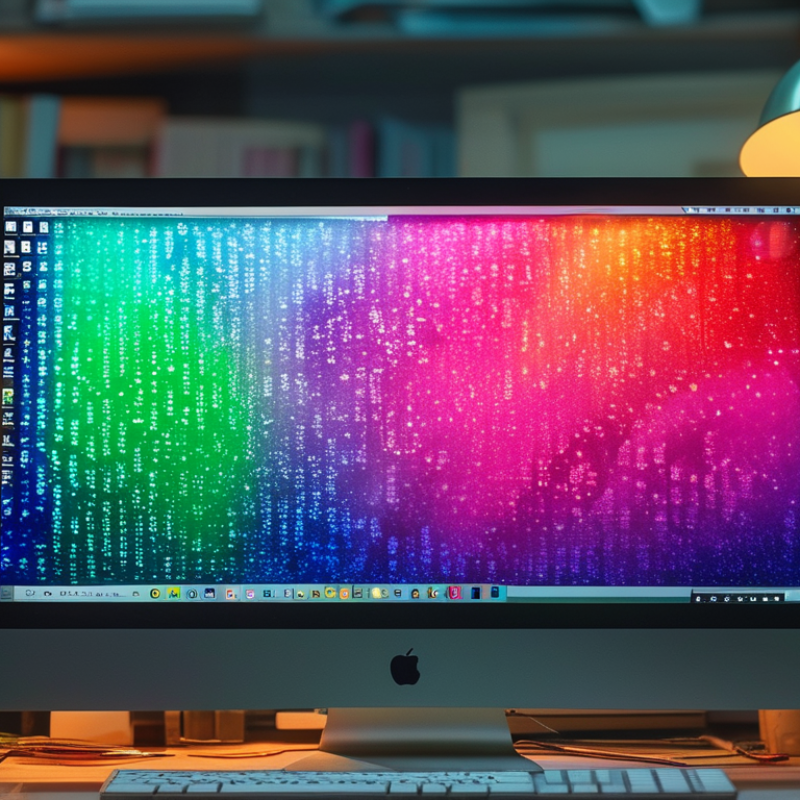
Color calibration is essential for LED screens to display accurate images. Many users overlook this process, leading to distorted colors and poor picture quality. Proper calibration ensures that colors appear as intended, maintaining consistency across different devices. Misconfigured screens can result in eye strain and fatigue, making calibration vital for regular users.
To begin calibrating your LED screen, use a colorimeter. This tool measures the colors produced and helps adjust settings accordingly. It's a straightforward way to achieve accurate results. Another important tip is to work in a controlled environment. The surrounding light can greatly impact how colors are perceived. Reducing glare allows for a more precise calibration process.
Keep in mind that settings may change over time. This means regular checks and adjustments are necessary. Also, don’t hesitate to make minor tweaks. Small changes can lead to significant improvements. While many find calibration tedious, the right setup ensures a better viewing experience. Taking the time to calibrate your screen is an investment in your visual health.
To achieve accurate color calibration on LED screens, the right tools and software are crucial. Start with a calibration device. A colorimeter is essential for measuring color accuracy. It helps in creating a profile that adjusts the screen’s output. Invest in a color space calibration tool to ensure that your colors display correctly.
Software plays an equally important role. Calibration software can read data from your device and generate color profiles. Look for user-friendly options that offer guided processes. Some software can provide detailed reports, allowing for an in-depth understanding of color performance. This insight helps in identifying areas that need improvement.
Consider the environment where the screen is used. Ambient lighting can greatly influence color perception. Ideally, calibrate your screen in consistent lighting conditions. This might require some trial and error to achieve the best results. Don't hesitate to recalibrate regularly; room dynamics can change over time, affecting screen accuracy. Continuous adjustments ensure the best possible color reproduction.
Calibrating LED screens for accurate color reproduction is essential for various professional applications. Start by checking your room lighting. Ambient light can distort perceived color. According to the International Color Consortium, a controlled lighting environment enhances color accuracy by up to 30%.
Utilize a colorimeter to measure your screen's color output. This device provides precise readings. Many professionals report significant improvements in image fidelity after calibration. It’s advisable to compare your screen’s output with industry standards like sRGB or Adobe RGB. Not all screens meet these standards naturally. Adjustments may be needed for brightness, contrast, and gamma settings.
After calibration, evaluate your results. Some may find that certain colors still seem off. Frequent recalibration can help maintain accurate colors, particularly for screens used in graphic design or photography. Regular adjustments can address any shifts in color performance over time.
Color calibration for LED screens can be challenging. These screens often show vibrant colors, but how they appear can vary significantly. It's crucial to ensure accurate color representation for various applications, such as graphic design or video editing. Common issues include poor lighting conditions and dust on the screen, which may distort the perceived colors.
To tackle these challenges, consider using specific calibration tools. They help measure color accuracy and adjust settings automatically. Experimenting with different lighting conditions during calibration can yield better results. A neutral lighting environment often allows colors to become more accurate.
You might face inconsistencies with color profiles across devices. This is where color management comes into play. Ensure that your software correctly reflects the calibrated values. Regularly review your settings and test with different images to identify any discrepancies. Remember, even a small miscalibration can lead to significant differences in visual output. Maintain a routine check on your calibration process, as over time it may drift, requiring adjustments. It’s a continuous learning journey in achieving color accuracy.
Maintaining color accuracy on LED screens requires consistent effort and smart practices. Regularly calibrate your display using a colorimeter or calibration software. This helps ensure that the colors remain true over time. Ideally, you should calibrate every month or after significant changes in the environment. Room lighting can greatly affect color perception. Use consistent lighting to minimize discrepancies.
Environmental factors play a crucial role in color accuracy. Dust and dirt can accumulate on screens, leading to color distortion. Regular cleaning is essential. Use a microfiber cloth with a suitable cleaner to protect the screen. Additionally, consider the angle from which you view the screen. Different angles can alter your perception of color. Position the screen for optimal viewing.
Even with the best practices, challenges will arise. Some screens may drift in color due to aging components. If you notice a shift, recalibration is necessary. Track your calibration history to understand patterns in color drift. This data can help you anticipate and address issues proactively. It's an ongoing commitment to ensure your screen's color accuracy remains reliable throughout its lifespan.
| Tip Number | Calibration Tip | Description | Frequency of Calibration |
|---|---|---|---|
| 1 | Use a Colorimeter | Investing in a quality colorimeter ensures accurate readings for calibration. | Every 6 months |
| 2 | Set the Correct Color Temperature | Standard settings are usually 6500K for accurate color reproduction. | Every visit |
| 3 | Adjust Brightness and Contrast | Proper adjustment helps to see colors accurately without overexposure. | Monthly |
| 4 | Use sRGB and Adobe RGB Color Spaces | Selecting the correct color space for your work ensures colors appear correctly. | Every setup |
| 5 | Calibrate in a Controlled Environment | Ensure ambient light is controlled to achieve more accurate results. | Every session |
| 6 | Regularly Check for Screen Uniformity | Ensure there are no discrepancies across display areas. | Every month |
| 7 | Update Display Drivers | Keeping drivers updated ensures display performance optimization. | Quarterly |
| 8 | Utilize Professional Calibration Software | Specialized software can greatly enhance your calibration efforts. | As needed |
| 9 | Check Color Gamut and Profiles | Use profiles that match your output to ensure consistency. | Every project |
| 10 | Document Calibration Settings | Keep a record of settings for consistency and troubleshooting. | After each calibration |
: Color calibration ensures accurate colors, improving picture quality and preventing eye strain.
A colorimeter measures colors on screens and helps adjust settings for accurate results.
Ambient lighting impacts color perception, so calibrating in controlled light conditions is essential.
Regular checks and adjustments are necessary, as settings can change over time.
Calibration software generates color profiles and can provide detailed reports for improvement.
Poor lighting and dust can distort perceived colors, complicating the calibration process.
Use color management and verify that software reflects calibrated values accurately.
Neutral lighting helps achieve more accurate color representation during the calibration process.
Maintain a routine check and make necessary adjustments to ensure consistent color accuracy.
Yes, small changes can lead to significant improvements in color accuracy and viewing experience.
Color calibration is crucial for achieving accurate and vibrant visuals on LED screens. This process involves understanding how to calibrate color on LED screens by utilizing the necessary tools and software specifically designed for effective calibration. The step-by-step process includes adjusting settings like contrast, brightness, and color balance, ensuring that the display replicates colors as intended.
Throughout this journey, users may encounter common challenges, such as inconsistent color reproduction and misalignment. However, addressing these issues with practical solutions can greatly enhance the calibration process. Finally, maintaining color accuracy over time requires adopting best practices, including regular recalibration and monitoring environmental changes that may affect display quality. Following these guidelines will lead to optimal visual performance and a more enjoyable viewing experience.

Aras LED