Understanding pixel pitch is crucial for anyone interested in LED panels. So, what is pixel pitch in LED panels? It refers to the distance between the centers of two adjacent pixels. This measurement directly affects image clarity and detail. A smaller pixel pitch typically results in a sharper image. However, it can also increase costs.
In the world of LED technology, pixel pitch plays a pivotal role. Professionals must consider it when designing installations. A panel with a pixel pitch of 1.5mm is ideal for close viewing. Yet, for larger venues where viewers are far away, a pixel pitch of 3mm or more can suffice. It's essential to match pixel pitch with viewing distance for optimal results.
Choosing the right pixel pitch is no easy task. It requires experience and a deep understanding of the application. Customers often overlook this factor, leading to dissatisfaction. Not every project can benefit from the same pixel pitch. Proper analysis is necessary to determine the most effective solution for specific needs. Balancing details with costs is a continual challenge in this industry.
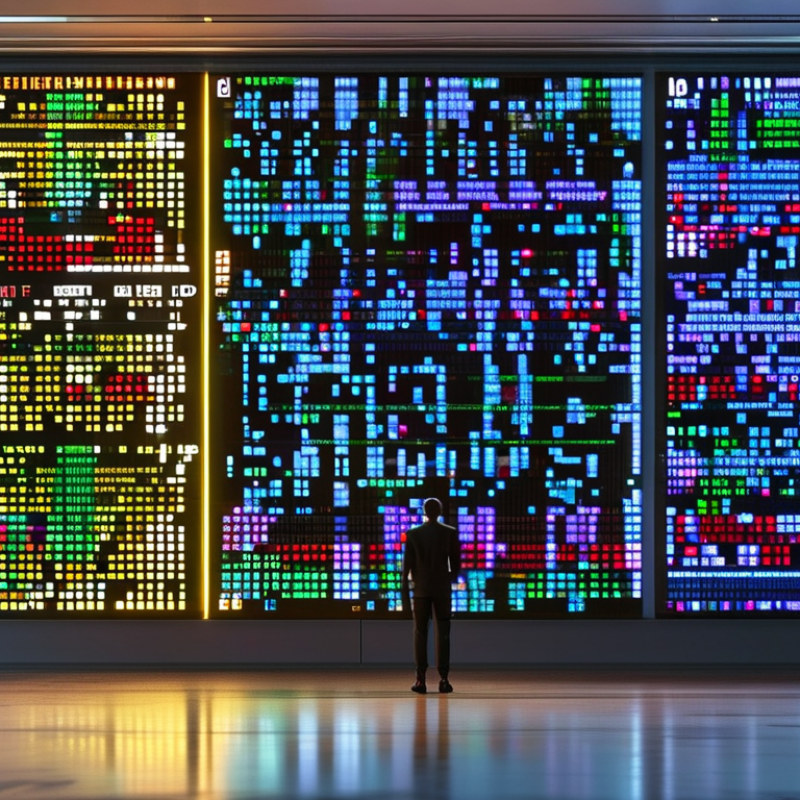
What is Pixel Pitch and Why Does It Matter in LED Panels?
When discussing LED panels, pixel pitch is a crucial parameter. Pixel pitch refers to the distance between the centers of two adjacent pixels. It is usually measured in millimeters. A smaller pixel pitch results in higher resolution images. This is vital for close viewing experiences, such as in indoor displays.
Why does pixel pitch matter? In practical terms, it affects image clarity and detail. A high pixel density is ideal for applications requiring precision, such as control rooms and art installations. Conversely, larger pixel pitches can be more economical for outdoor displays, where viewers are typically farther away. Choosing the right pixel pitch ensures that the display meets the intended use effectively.
Tips for selecting the ideal pixel pitch: First, think about viewing distance. If viewers stand close, opt for smaller pixel pitches. Larger pitches are more suitable for distant viewing. Second, consider your content. Diverse visual content will benefit from finer pixel density. Finally, evaluate your budget. Smaller pixel pitches generally come with higher initial costs. Balance between performance and expenditure is vital for wise investments.
Understanding the Measurement of Pixel Pitch in Millimeters
Pixel pitch is a critical specification in LED panels, impacting image clarity and viewing distance. Measured in millimeters, pixel pitch indicates the distance between the centers of two adjacent pixels. A smaller pixel pitch, such as 1.2mm, provides higher resolution. Conversely, a larger pixel pitch, like 4mm, is common for outdoor displays where viewers are typically farther away.
For professional applications, clearer images are essential. A study by the Society for Information Display notes that displays with a pixel pitch of 1.5mm or lower can enhance visual quality significantly, allowing for detailed content. This is especially true in settings like control rooms or immersive installations, where viewers engage closely with the screen.
However, the choice of pixel pitch should match the installation environment. A very small pixel pitch can lead to excessive costs without commensurate benefits in large venues. An understanding of pixel pitch helps in finding a balance between cost and performance. There’s no one-size-fits-all. The right choice often requires nuanced consideration of specific application needs and audience proximity.
Understanding Pixel Pitch in LED Panels
This bar chart illustrates the distribution of LED panels based on different pixel pitch measurements in millimeters. It helps to visualize how the number of units decreases as the pixel pitch increases.
How Pixel Pitch Affects Image Quality and Viewing Distance
Pixel pitch is a crucial factor in determining the quality of images displayed on LED panels. It refers to the distance between the center of one pixel to the center of an adjacent pixel. A smaller pixel pitch typically means higher pixel density, resulting in sharper images. For instance, a pixel pitch of 1.5 mm is common in indoor environments and offers excellent clarity for close viewing distances. In contrast, a larger pixel pitch, such as 4 mm or more, may be better suited for outdoor applications where viewers are usually at a greater distance.
Research indicates that viewers typically perceive optimal clarity at a distance of 1.5 times the pixel pitch measurement. Thus, a 2 mm pixel pitch would be best viewed from approximately 3 meters away. This relationship is essential for maximizing visual impact in various settings, from concerts to advertising displays. However, it's important to note that not all environments allow for ideal viewing distances. In certain situations, a mismatch between pixel pitch and viewer distance can lead to image degradation and loss of detail.
Understanding pixel pitch is essential for choosing the right display for an application. In environments with mixed viewing distances, a diverse range of pixel pitches may be needed to accommodate audience needs. Finding that balance is often challenging. The industry suggests that a careful assessment of viewing environments and distances can significantly enhance viewer experience, though this can sometimes be overlooked in planning.
Comparing Different Pixel Pitch Options for Various Applications
When selecting LED panels, pixel pitch plays a crucial role. Pixel pitch refers to the distance between pixels. A smaller pitch results in finer images, while a larger pitch may blur details. This understanding aids in making informed choices for various applications.
For indoor environments, a pixel pitch of 2.5mm to 4mm is common. It provides sharp images even at closer distances. In contrast, outdoor displays typically require a pitch of 10mm or more. The viewing distance is greater outdoors, so the pixel density does not need to be as high. However, larger pitches can compromise image clarity under certain lighting conditions.
Consider the application context. Events, advertising, and even artistic displays require diverse solutions. A high-definition LED panel with a small pixel pitch enhances viewer engagement at events. Yet, installations for billboards might prioritize visibility from a distance over detail. Reflect upon the specific needs and conditions of your use case. The right choice depends on balancing clarity, distance, and cost effectively.
2026 How to Understand Pixel Pitch in LED Panels?
| Pixel Pitch (mm) |
Resolution (pixels per square meter) |
Optimal Viewing Distance (m) |
Best Applications |
| 1.0 |
> 100000 |
< 1 |
Indoor Advertising, High-End Events |
| 1.5 |
> 50000 |
1 - 2 |
Retail Stores, Conference Rooms |
| 2.0 |
> 25000 |
2 - 3 |
Exhibition Areas, Shopping Malls |
| 3.0 |
> 11111 |
3 - 4 |
Outdoor Displays, Large Venues |
| 4.0 |
> 6250 |
> 4 |
Billboards, Stadiums |
Future Trends in Pixel Pitch Technology and LED Display Development
As we look toward the future, pixel pitch technology is evolving rapidly. The global LED display market is projected to reach $70.9 billion by 2026, reflecting a significant growth fueled by advancements in pixel pitch. Smaller pitch sizes are becoming increasingly popular for their enhanced resolution and clarity.
Current trends indicate that the demand for pixel pitches below 1.5mm will rise, especially for indoor applications.
Manufacturers are now focusing on fine-pitch LED displays. These displays are essential for environments like control rooms and event venues. The emphasis is not just on resolution, but also on energy efficiency. According to a recent report, fine-pitch displays can reduce energy consumption by up to 30% compared to their larger counterparts. This is a crucial consideration as sustainability continues to be a top priority in technology development.
Tips: Choose the right pixel pitch by considering viewing distance. A smaller pitch enhances clarity but may not be necessary for all applications. Also, keep in mind the cost implications of smaller pitches versus their benefits. Regularly assess the evolving market trends. Stay informed about new technologies to make the best choices for your installations. Be cautious with rapid advancements—they can lead to market saturation and over-specification. Adjust your strategy accordingly.
Conclusion
The article "2026 How to Understand Pixel Pitch in LED Panels?" provides a comprehensive overview of what is pixel pitch in LED panels and its significance in enhancing display technology. Pixel pitch refers to the distance from the center of one pixel to the center of the next pixel, measured in millimeters. This measurement plays a crucial role in determining the image quality and optimal viewing distance, as tighter pixel pitches result in sharper images and closer viewing capabilities.
The article further explores how different pixel pitch options cater to various applications, enabling users to make informed decisions based on their specific needs. Additionally, it discusses future trends in pixel pitch technology and the ongoing development of LED displays, highlighting the continuous advancements that promise to improve visual experiences. Understanding these concepts is essential for anyone looking to invest in or utilize LED panel technology effectively.

 Aras LED